One Lucky Mom Messy Bun St Patrick s Day Review
As a designer who spends more time behind an embroidery machine than a computer screen, I approach every new graphic with a specific question: will this actually stitch out cleanly on a finished product? When evaluating the One Lucky Mom Messy Bun St Patrick s Day design, my perspective shifts from digital aesthetics to tactile reality. This graphic carries a distinct mood that resonates deeply with modern moms and holiday enthusiasts, but translating that vibe into thread requires careful consideration of structure, density, and end-use application.
Capturing the Relatable Mom Aesthetic in Thread
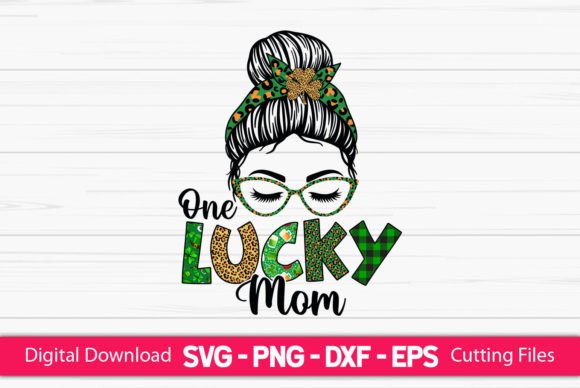
The first impression of this design is undeniably charming. It taps into the popular "messy bun" trend that signifies busy, authentic motherhood, paired with festive St. Patrick’s Day elements. Visually, it feels playful and approachable rather than stiff or overly traditional. For an Etsy seller or small shop product creator, this emotional connection is vital. Customers aren't just buying a shamrock; they are buying a reflection of their own chaotic but lucky parenting journey during the holidays.
However, as a machine embroidery design, those organic, wispy hair lines and intricate clover details present unique challenges. The layout suggests a balance between bold graphics and delicate linework. In a digital preview, everything looks crisp. On fabric, those fine details can easily get lost if the stitch density isn't managed correctly or if the fabric texture is too coarse. The design naturally belongs on items that celebrate casual comfort and family festivities, making it ideal for custom apparel and holiday embroidery projects where personality matters as much as precision.
Real-World Application: Stitching a Boutique Sweatshirt
To truly judge the viability of One Lucky Mom Messy Bun St Patrick s Day, I mentally walked through producing a custom crewneck sweatshirt for a spring craft fair. Sweatshirts are a staple for craft business owners during this season, but fleece and French terry fabrics are notoriously tricky for detailed graphics. The pile of the fabric can swallow thin running stitch outlines, making the messy bun look undefined.
In this scenario, I would treat this as a potential applique design opportunity rather than relying solely on direct embroidery. Using a smooth cotton fabric for the bun and hat areas, secured with a tight satin stitch border, would provide the necessary contrast against the textured sweatshirt base. This technique not only saves stitch count but also elevates the perceived value of the handmade product. For the text portion, ensuring adequate spacing between letters is crucial to prevent thread buildup that could cause puckering on stretchy knits. If executed well, this design transforms a basic garment into a high-demand personalized gift that stands out in a crowded marketplace.
Navigating Fabric Limitations and Hoop Constraints
While versatile, this design demands respect for material limitations. I would exercise extreme caution when attempting this on curved surfaces like caps. The combination of vertical text and horizontal graphic elements often distorts on the rounded front panel of a hat unless the embroidery file has been specifically digitized for cap framing. Similarly, lightweight baby clothes require a lighter touch. Heavy fill stitch areas on thin cotton onesies can create a bulletproof patch effect that is uncomfortable for infants. For baby embroidery, scaling down and reducing density is non-negotiable.
Dark fabrics also warrant a strategic pause. If the design relies on green tones for St. Patrick’s Day, stitching directly onto black or navy fabric without a proper underlay or white base layer will result in muddy colors and poor visibility. Always test thread colors against your specific garment color before committing to a full production run. Additionally, verify your hoop size compatibility. While the source mentions SVG, PNG, DXF, and EPS formats for cutting machines, embroidery requires specific digitized formats. Never assume a vector graphic is stitch-ready without confirming the existence of a dedicated digital embroidery file version optimized for your machine brand.
Elevating Product Value Through Technical Precision
The difference between a hobbyist project and a professional commercial embroidery piece often lies in the finishing. One Lucky Mom Messy Bun St Patrick s Day has strong potential for printable mockup marketing, but customer trust is built on the actual finished product. Clean edges, consistent tension, and appropriate stabilizer choice signal quality. When using this design for tote bag design or kitchen textiles, ensure the stabilizer matches the weight of the canvas or linen to prevent tunneling around dense satin borders.
For sellers offering design assets or physical goods, consistency is key. If you use this design across multiple products—from embroidered patch sets to aprons—maintain the same thread palette and placement standards. This builds brand recognition and assures buyers that your small shop product line is cohesive. Remember that visual appeal drives sales, but durability drives repeat business. A design that frays after one wash because the stitch density was too low for the fabric type will hurt your reputation faster than any marketing can fix it.
Essential Designer Notes Before You Stitch
- Verify File Formats: The product description lists SVG, PNG, DXF, and EPS for cutting machines. Confirm you have received or purchased the specific embroidery format (PES, DST, JEF, etc.) required for your machine before starting.
- Test on Scrap Fabric: Always run a test stitch-out on the exact fabric and stabilizer combination you plan to use for the final project to check for registration issues.
- Check Licensing: Review the terms carefully to confirm whether you can sell finished custom apparel or if the license restricts usage to personal projects only.
- Evaluate Small Details: Inspect tiny elements like shamrock stems or hair wisks. If they are thinner than 1mm in the digital file, they may need editing to become viable stitches.
- Mockup Testing: Create both light and dark background mockups to visualize contrast. What pops on a white screen may vanish on a forest green sweatshirt.
- Stabilizer Selection: Use cut-away stabilizer for stretchy knits and tear-away for stable wovens to maintain the integrity of the embroidery project.
- Color Contrast Check: Ensure thread colors offer sufficient contrast against the base fabric, especially for critical text elements that convey the message.
Ultimately, One Lucky Mom Messy Bun St Patrick s Day offers a wonderful foundation for seasonal creativity. By approaching it with a technician's eye and a maker's heart, you can transform this digital asset into tangible, cherished items that celebrate the beautiful chaos of motherhood. Whether you are creating for your own family or building inventory for your Etsy seller shop, success lies in respecting the interplay between digital design and physical thread.