Messy Bun Football Leopard Print: A Crafter's Review
As a designer who spends more time behind an embroidery machine than a computer screen, I approach every new graphic with a specific question: will this actually stitch out well, or is it just a pretty picture? When evaluating the Messy Bun Football Leopard Print for potential use in my shop, my assessment goes beyond surface aesthetics. This design captures a very specific cultural moment—the intersection of sporty enthusiasm and relaxed, trendy femininity—but translating that vibe into a tangible product requires understanding its technical roots. It is crucial to note immediately that this asset is a high-resolution PNG intended for direct print or sublimation, not a native embroidery file or SVG. This distinction defines how we, as makers and business owners, can successfully integrate it into our workflows.
First Impressions and Visual Personality
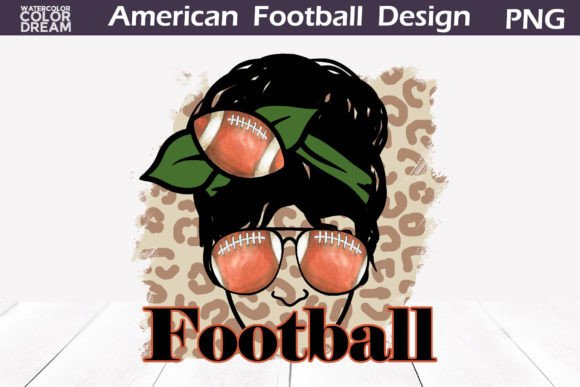
The mood of the Messy Bun Football Leopard Print is undeniably energetic yet approachable. Visually, it balances the aggressive geometry of football imagery with the organic, fluid lines of a messy bun and the timeless texture of leopard spots. For an Etsy seller or boutique owner, this combination is gold because it targets a demographic that wants to show team spirit without sacrificing personal style. The layout feels centered and cohesive, suggesting it was designed with a focal point in mind rather than being a scattered collection of elements.
However, viewing this through the lens of a professional embroiderer, I see a challenge and an opportunity. Because this is a 300 DPI raster image, the details in the leopard print and the hair texture are pixel-based. If you were to attempt to auto-digitize this directly into a machine embroidery design, you risk losing the nuance of the print or creating an excessively dense stitch file that puckers fabric. Instead, this graphic shines brightest when treated as a mixed-media element or a sublimation base, perhaps accented with embroidery rather than fully replicated by thread.
Real-World Application: The Custom Sweatshirt Test
To truly judge the utility of this graphic, I mentally placed it onto a real-life project: a custom embroidered sweatshirt for a football mom client. In this scenario, the Messy Bun Football Leopard Print serves as the perfect candidate for a hybrid technique. Imagine printing the full-color graphic onto a white polyester patch or using sublimation to transfer the design onto a poly-blend sweatshirt, and then adding personalized text or a border using satin stitch or running stitch embroidery.
This approach respects the integrity of the original artwork while adding the tactile value that handmade customers crave. If I were to list this finished product in my shop, the visual appeal would be immediate. The leopard print provides a fashionable backdrop that elevates the design above generic clip art, while the embroidery adds the premium, custom feel that justifies a higher price point. For small business owners, this workflow maximizes efficiency; you aren't spending hours digitizing complex fur textures, but you are still delivering a unique, high-value item.
Navigating Technical Limitations and Fabric Choices
Since this product is strictly a PNG graphic and cannot be converted into an SVG, your application methods must be deliberate. For those focused purely on machine embroidery, this file acts as a reference guide or a template for manual digitizing rather than a ready-to-stitch solution. You must verify your hoop size and stabilizer requirements before attempting to recreate this look in thread. The intricate details of the leopard spots would require significant stitch density management to prevent fabric distortion, especially on stretchy knits commonly used for game-day apparel.
If you choose the sublimation route, which is the intended use case, fabric texture becomes paramount. The 300 DPI resolution is excellent for printing, but sublimation only bonds to polyester or poly-coated surfaces. A 100% cotton tote bag or tea towel will not accept this transfer vibrantly. For cotton items, consider using this graphic to create printable mockups for digital listings, or print it onto heat transfer vinyl (HTV) compatible with cotton, though the hand-feel will differ from true dye-sublimation. Always test on scrap fabric first to ensure the colors pop and the details remain crisp after heating.
Strategic Use Cases for Makers and Sellers
Beyond sweatshirts, the Messy Bun Football Leopard Print has versatile applications across various crafts and graphics categories. Here is how I envision this asset performing in different commercial and personal contexts:
- Tote Bag Design: Use the graphic as a central panel on a canvas tote, surrounded by embroidered names. The contrast between the printed center and stitched borders creates a high-end boutique aesthetic.
- Digital Product Previews: As a digital product seller, use this high-res PNG to create realistic mockups. Showing customers exactly how the design looks on a cap or apron increases buyer engagement and trust.
- Holiday Embroidery Accents: While football season is the primary hook, the leopard print element makes this viable for general fall and winter fashion. Pair it with gold metallic thread accents for a holiday gift that transitions from stadium to seasonal party.
- Patches and Applique: Print the design onto fabric, cut it out, and use it as an applique design base. Secure it with a blanket stitch or satin stitch edge. This saves thousands of stitches compared to filling the entire area with thread.
Critical Considerations for Professional Results
While the design is charming, there are areas where caution is necessary. Avoid using this graphic for tiny details on curved surfaces like caps unless you are experienced with sublimation alignment. The messy bun silhouette relies on clear edges; if the transfer shifts or the embroidery registration is off, the design loses its impact. Additionally, be mindful of dark fabrics. Since this is a standard PNG and likely lacks a white underbase layer inherent to the file structure itself, printing directly onto black or navy garments may result in muted colors unless you use specific sublimation techniques or white toner transfers.
For those considering this for baby embroidery or children’s items, remember that sublimation requires synthetic fibers which may not be breathable enough for infant wear. In these cases, use the graphic solely as inspiration for a simplified, soft-thread embroidery design, ensuring all safety standards for children's textiles are met. Always confirm licensing terms before selling finished products or digital assets derived from this file to protect your craft business legally.
Elevating Brand Consistency and Customer Trust
Incorporating trendy graphics like the Messy Bun Football Leopard Print signals to your audience that your brand is current and responsive to market trends. However, professionalism lies in execution. A blurry transfer or a poorly digitized embroidery file damages credibility. By acknowledging the format limitations and leveraging the 300 DPI quality correctly, you demonstrate expertise. Whether you are creating a personalized gift for a friend or stocking inventory for a craft fair, treating this graphic with technical respect ensures the final product reflects the quality your customers expect.
Ultimately, this asset is a powerful tool for creative entrepreneurs who understand the difference between a picture and a product. It bridges the gap between digital art and physical merchandise, offering a shortcut to stylish, relevant designs. Just remember: check your file formats, test your materials, and let your craftsmanship turn this digital download into a tangible bestseller.