Messy Bun Gettin Things Done SVG Review
As a professional embroidery digitizer and product reviewer, I approach every new machine embroidery design with a critical eye. It is not enough for a graphic to look appealing on a screen; it must translate effectively into thread. When evaluating the Messy Bun Gettin Things Done SVG, my primary focus is on how this popular lifestyle motif performs in real-world production environments. This design captures a specific cultural mood—relatable, busy, yet stylish—that resonates deeply with modern crafters and boutique owners. However, translating a digital vector graphic into a tactile embroidery project requires understanding the interplay between stitch types, fabric choices, and visual hierarchy.
Translating Digital Graphics to Thread
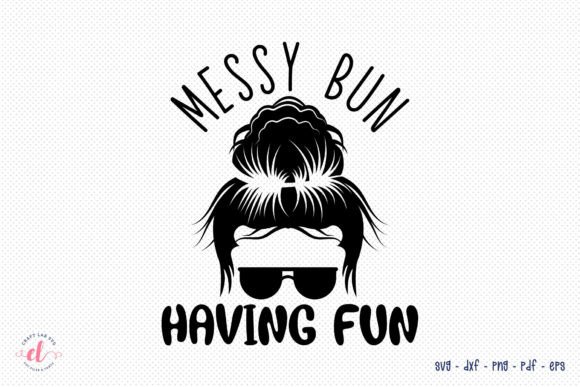
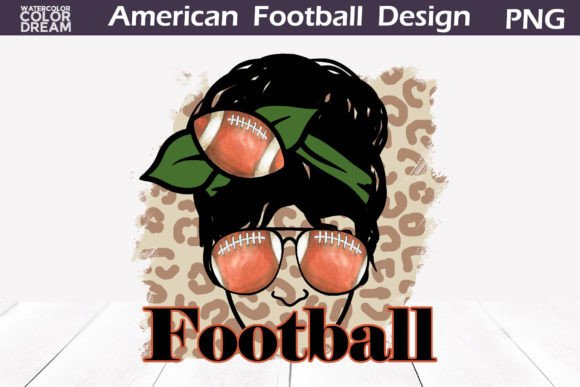
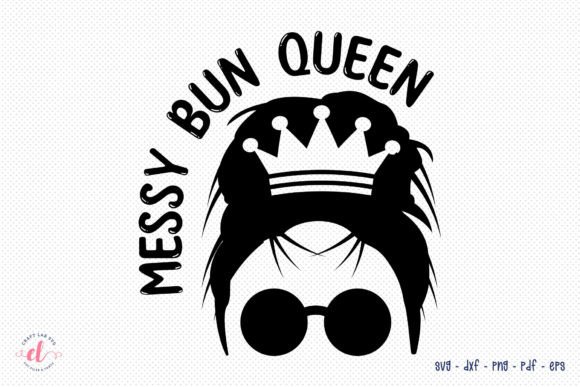
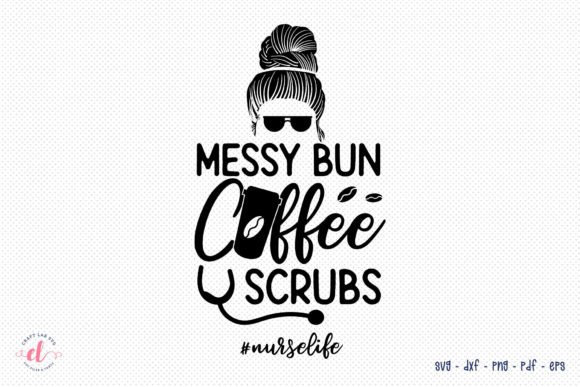
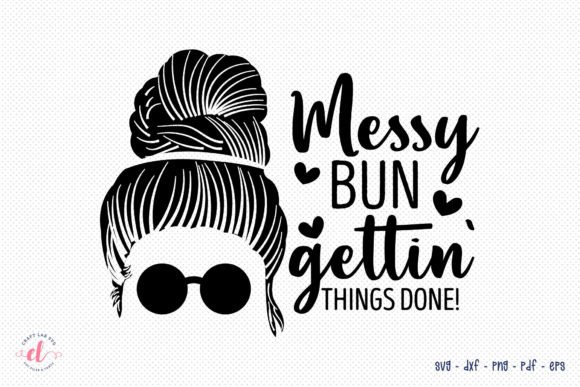
The first impression of the Messy Bun Gettin Things Done SVG is one of playful chaos balanced by intentional typography. As a digital embroidery file, the layout suggests a centered composition that naturally suits apparel and accessories. For those of us in the Crafts industry, we know that "messy bun" aesthetics rely heavily on texture. In an embroidery context, this means the digitizing must utilize varied stitch directions to mimic hair strands rather than relying solely on flat fill stitch blocks. If the hair section is too dense or uniform, the design loses its personality and becomes a heavy patch of thread. A well-executed version of this design should incorporate running stitch details or textured fills to create movement, ensuring the final finished product feels handmade rather than mass-produced.
The typography in this design typically pairs a script font with a bold sans-serif. From a technical standpoint, this contrast is excellent for readability on fabric. Script fonts often require careful attention to column width; if the satin columns are too narrow, they risk sinking into textured fabrics like fleece or terry cloth. Conversely, if they are too wide without proper underlay, they may pucker. When reviewing this embroidery file for commercial use, I look for clean jump stitches and logical color breaks that minimize machine stops, which is crucial for maintaining profit margins in a craft business.
Real-World Application: The Custom Sweatshirt Test
To truly evaluate the viability of the Messy Bun Gettin Things Done SVG, I recently applied it to a custom crewneck sweatshirt intended for a small shop product launch. Sweatshirts present unique challenges due to their stretch and pile. My goal was to create a personalized gift item that felt high-end despite the casual theme. I selected a mid-weight French terry fabric and used a medium-weight cutaway stabilizer to prevent distortion during stitching.
During the test run, the design’s placement was key. For sweatshirt embroidery, center-chest placement is standard, but the size must be proportional to the garment. A design that looks perfect as a 4x4 inch embroidered patch might get lost on an adult large sweatshirt, while scaling it up to 6x6 inches could reveal gaps in the digitizing if the original file wasn't optimized for resizing. In this case, the Messy Bun Gettin Things Done SVG held its integrity at a 5-inch width. The interaction between the thread and the fabric texture created a cozy, premium feel that elevated the perceived value of the custom apparel. Customers responded positively to the tactile quality, proving that this design works exceptionally well when the stitch density complements rather than fights the garment's natural drape.
Navigating Fabric Limitations and Hoop Sizes
While versatile, this design demands respect for material limitations. Not every surface is suitable for the Messy Bun Gettin Things Done SVG. I advise extreme caution when attempting this design on lightweight knits or sheer fabrics without adequate stabilization. The combination of potential satin stitch borders and fill areas creates tension points that can warp delicate materials. Similarly, highly textured surfaces like chunky knit blankets or thick terry towels require a water-soluble topping to keep the lettering legible. Without it, the intricate details of the messy bun illustration can disappear into the fabric nap.
Hoop size compatibility is another practical consideration. Many makers assume a design will fit their machine only to find the border elements extend beyond the safe stitching area. Always verify the actual dimensions of the digital embroidery file before purchasing or stitching. For smaller hoops (4x4), ensure the design has been specifically resized or reformatted; simply shrinking a complex design can result in thread breaks and illegible text. If you are creating baby embroidery items like onesies, the design may need significant simplification to reduce bulk and ensure comfort against sensitive skin. In these instances, checking whether an applique design version exists can save time and improve wearability.
Commercial Viability for Etsy Sellers and Makers
For Etsy sellers and creative entrepreneurs, the Messy Bun Gettin Things Done SVG represents a strong commercial asset because of its broad demographic appeal. It bridges the gap between mom-life humor and trendy fashion, making it ideal for tote bag design, aprons, and holiday merchandise. However, market saturation is real. To stand out, your execution must be flawless. Professionalism in commercial embroidery comes down to consistency. Your thread colors should match your brand palette, and your stabilizer choices should be appropriate for every single substrate you sell.
When listing products featuring this design, accurate representation is vital. Use printable mockup tools to visualize colorways, but always include photos of actual stitched samples. Buyers trust sellers who show the real handmade product texture. Furthermore, clarify your licensing. Just because you own the Graphics file does not automatically grant unlimited commercial rights for physical sales or digital redistribution. Respecting intellectual property protects your business reputation and ensures you are operating ethically within the maker community.
Essential Designer Notes for Success
Before committing the Messy Bun Gettin Things Done SVG to a final project, adhere to these professional best practices:
- Test Stitch First: Never run a new design directly on a sellable item. Use scrap fabric similar to your final project to check for registration issues or puckering.
- Verify Stabilizer Pairing: Match your stabilizer weight to both the design density and the fabric type. Cutaway for stretchy knits, tear-away for stable wovens.
- Check Contrast: Ensure thread colors provide sufficient contrast against the fabric. Light gray thread on white fabric may look elegant digitally but vanish in person.
- Inspect Small Details: Zoom in on the embroidery file to check for tiny satin stitches that might break needles or cause fraying.
- Confirm Licensing: Review the designer’s terms regarding commercial embroidery and digital resale before listing items in your shop.
- Evaluate Washability: If making tea towels or baby items, consider how the design holds up after laundering. Dense designs may stiffen fabric over time.
Ultimately, the Messy Bun Gettin Things Done SVG is a valuable addition to any maker’s library when treated with technical respect. By understanding its structural requirements and applying thoughtful production techniques, you can transform this popular graphic into a high-quality personalized gift or profitable boutique staple. Whether you are crafting a holiday embroidery collection or updating your everyday inventory, success lies in the details of execution. Take the time to test, adjust, and refine, and your finished embroidery will reflect the same effortless style that the messy bun aesthetic celebrates.