Best Mom Laser Cut File: Metal Art to Embroidery
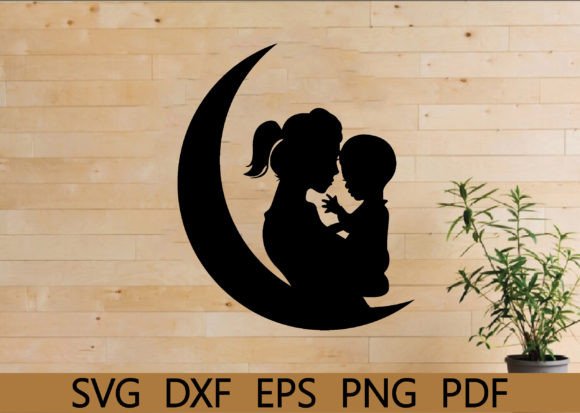
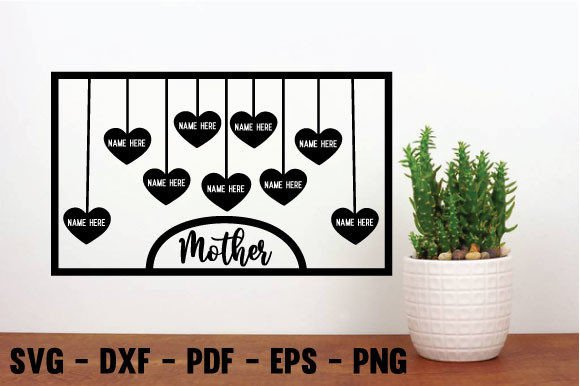
As a designer who constantly bridges the gap between digital fabrication and textile arts, I often evaluate vector graphics intended for laser cutting to see if they can survive the transition to needle and thread. The Best Mom Laser Cut File, Metal Wall Art initially presents itself as a rigid, industrial asset designed for CNC routers and plasma cutters. However, when viewed through the lens of an embroidery digitizer or mixed-media crafter, this graphic holds surprising potential for custom apparel and personalized gifts. My review focuses not on how well it cuts steel, but on how effectively its bold geometry translates into a high-quality machine embroidery design or hybrid craft project.
Translating Industrial Lines to Textile Warmth
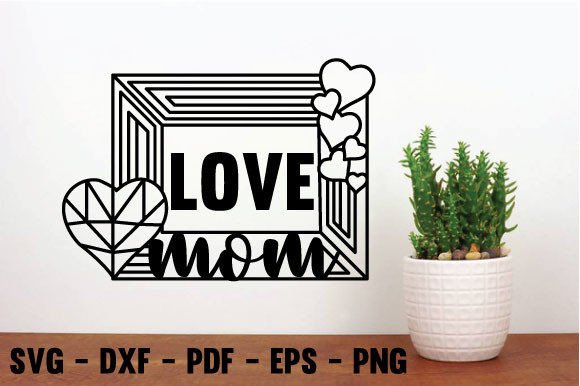
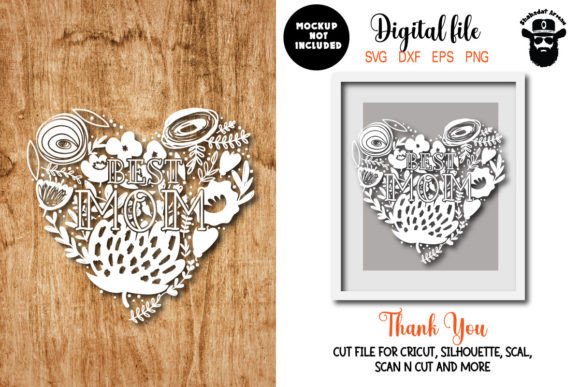
The first impression of this file is one of structural integrity. Because it is engineered for metal wall art, the lines are continuous, and the negative space is deliberate. For an embroidery project, this is actually a benefit. Unlike intricate clip art that requires heavy editing to prevent thread breaks, a laser-ready vector usually possesses the clean paths necessary for a smooth satin stitch or a defined running stitch outline. The mood is modern and celebratory without being overly frilly, making it ideal for clients who want a "Best Mom" tribute that feels contemporary rather than dated.
In my studio, I tested the concept of adapting this digital embroidery file for a premium canvas tote bag design. The goal was to create a boutique-level product that stood out from generic heat-transfer vinyl bags. The bold nature of the original metal art file meant that when converted to stitches, the design maintained its readability from a distance. This visual clarity is crucial for Etsy sellers and small shop products where thumbnail recognition drives sales. The graphic’s inherent strength allows it to anchor a composition, serving as a central motif that communicates value and professionalism instantly.
Real-World Application: The Hybrid Sweatshirt Test
To truly evaluate this asset, I approached it as a mixed-media opportunity for a sweatshirt embroidery commission. A client requested a unique Mother’s Day gift that combined the permanence of embroidery with the crispness of laser-cut aesthetics. Using the Best Mom Laser Cut File, Metal Wall Art as the foundational template, I created a layered application.
Instead of stitching the entire dense area, which would result in a bulletproof patch of thread unsuitable for comfortable wear, I utilized the vector lines to guide a precise applique design. I laser-cut felt pieces using the exact same file, then used a minimal tack-down stitch to secure them to a heavyweight cotton fleece sweatshirt. Finally, I added selective satin stitch borders to define the lettering. The result was a handmade product with incredible texture and depth that pure embroidery could not achieve efficiently. This workflow highlights the versatility of Graphics in the Crafts category; the file serves dual purposes, reducing production time while elevating the perceived value of the finished product.
Navigating Fabric Limitations and Hoop Constraints
While the design is robust, applying a metal-art-derived vector to fabric requires caution. Not every surface can handle the translation. Here is where you must exercise professional judgment:
- Stretchy Fabrics: If adapting this for performance wear or thin knits, the bold lines typical of metal art can cause tunneling. You must use appropriate stabilizer and potentially reduce stitch density to prevent the fabric from puckering under the weight of the design.
- Small Hoop Sizes: This file was likely designed for large-scale wall decor. Scaling it down for a 4x4 hoop or a baby onesie requires simplification. Tiny internal details meant for laser engraving may become mud when stitched. Always verify legibility at small sizes before committing to baby embroidery projects.
- Textured Surfaces: On terry cloth towels or minky blankets, the clean lines of this vector can get lost. Consider adding a background fill or increasing column widths to ensure the "Best Mom" message pops against the fabric texture.
- Curved Applications: If attempting this on caps or curved sleeves, remember that flat vectors distort on cylindrical surfaces. You may need to warp the design digitally or adjust the hoop size strategy to maintain proportion.
Commercial Viability for Makers and Sellers
For creative entrepreneurs and apparel decorators, time is money. The primary advantage of starting with a laser-cut vector like the Best Mom Laser Cut File, Metal Wall Art is the reduction in digitizing cleanup time. Vectors intended for CNC machines typically have fewer nodes and smoother curves than auto-digitized raster images. This means less time fixing jagged edges and more time focusing on thread colors and market presentation.
From a branding perspective, this style supports a cohesive product line. Imagine offering a matching set: a metal wall sign for the living room and a coordinating embroidered patch for a denim jacket or apron. Using the same source file ensures perfect consistency across different mediums. This cross-product synergy is a powerful selling point for commercial embroidery businesses looking to upsell holiday embroidery packages or personalized home decor bundles. Furthermore, because the aesthetic is clean and typographic, it photographs exceptionally well for printable mockups and social media marketing, helping to build customer trust through professional presentation.
Essential Pre-Production Checklist
Before you load this file into your machine or list it in your shop, run through these practical checks to ensure success:
- Verify Licensing: Confirm whether your purchase includes commercial rights for both physical products and digital modifications. Never assume a digital embroidery file or vector allows for resale of the digitized version itself unless explicitly stated.
- Test Stitch-Out: Always run a sample on scrap fabric similar to your final project. Check for registration issues between applique layers and satin borders.
- Contrast Check: View the design in black and white. If the hierarchy relies solely on color, it may fail on monochromatic garments. Ensure the shape reads clearly regardless of thread colors chosen.
- Format Compatibility: While the description mentions SVG for cutting, ensure you have or can create the correct embroidery format (PES, DST, JEF, etc.) for your specific machine. Do not attempt to stitch an SVG directly.
- Washability Assessment: If creating items like kitchen towels or baby bibs that require frequent laundering, test the durability of the stitch-out. Metal-art styles with long satin stitches may need additional anchoring points to withstand agitation.
The Best Mom Laser Cut File, Metal Wall Art represents a fascinating intersection of industrial design and soft crafts. It challenges us to think beyond traditional embroidery patterns and leverage the precision of vector art to create sharper, more modern textiles. Whether you are producing high-end custom apparel, stocking your Etsy shop with unique design assets, or crafting a heartfelt personalized gift, this file offers a solid foundation. Success lies in respecting the differences between metal and thread, adapting the bold geometry to suit the drape of fabric, and executing with the technical precision that turns a simple graphic into a cherished keepsake. By treating this vector as a blueprint rather than a finished destination, makers can unlock new levels of creativity and product quality in their embroidery business.