Axolotl Mom Sublimation Design: A Maker’s Review
As a designer who constantly bridges the gap between digital graphics and tactile textile art, I approach every new asset with a specific question: how will this actually translate to thread? When evaluating the Axolotl Mom Sublimation Design, my first impression is one of vibrant, niche appeal. This graphic captures a very specific mood that resonates deeply with modern parents, aquarium enthusiasts, and fans of kawaii aesthetics. However, because this product is listed as a downloadable PNG file intended for sublimation or print-on-demand services, using it for embroidery requires a thoughtful translation process. You are not receiving a pre-digitized machine embroidery design; you are receiving high-quality graphics that serve as the blueprint for your next custom apparel or handmade product.
Translating Digital Graphics to Stitched Reality
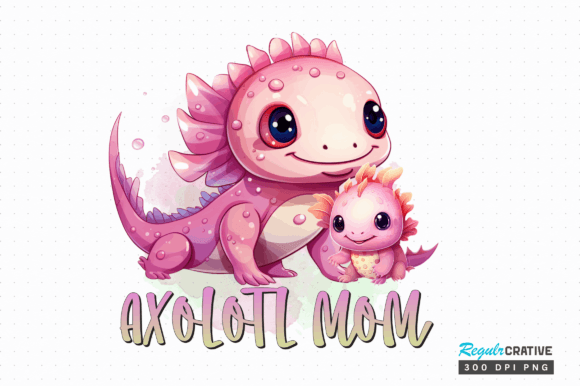
The visual personality of this Axolotl Mom Sublimation Design is undeniably cute, featuring soft lines and expressive details that work beautifully in ink. For an embroidery project, however, we must analyze the shape and layout through the lens of stitch density and fabric texture. The axolotl’s gills and facial expressions are likely rendered with gradients or fine lines in the PNG. In a real-life scenario, such as creating a personalized gift for a new mother or a boutique sweatshirt, these details cannot simply be printed. They must be interpreted into satin stitch columns for outlines and fill stitch areas for color blocks.
If you plan to use this graphic as a reference for digitizing, pay close attention to the complexity of the original artwork. A design meant for sublimation often contains shading that creates depth on paper but can cause puckering or thread breaks if replicated too literally in thread. As an experienced reviewer, I advise simplifying the color transitions. Instead of trying to mimic every pixel of the PNG, focus on capturing the silhouette and the primary expression. This ensures the finished product retains the charm of the original Axolotl Mom Sublimation Design while remaining structurally sound on fabric.
Real-World Application: The Custom Sweatshirt Test
To truly judge the viability of this design, let us consider a practical case study: producing a custom embroidered sweatshirt for an Etsy seller targeting millennial moms. Sweatshirts are typically made of fleece or French terry, fabrics that have significant texture and stretch. When applying a design derived from the Axolotl Mom Sublimation Design to this type of garment, stability is paramount. The "Mom" aspect suggests this item might be worn frequently and washed often, so durability matters as much as aesthetics.
In this scenario, I would recommend treating the graphic as an applique design rather than a full-fill embroidery piece. Using the PNG as a cutting guide for fabric pieces allows you to preserve the intricate colors of the original art without putting thousands of stitches directly into the knit fabric. Alternatively, if you prefer traditional embroidery, you must adjust your stitch density to prevent the design from becoming stiff or bulletproof. A heavy stabilizer is non-negotiable here. Without proper backing, the tension required to render the axolotl’s features could distort the neckline or hem of the sweatshirt, ruining both the garment and the customer’s trust in your craft business.
Navigating Fabric Limitations and Hoop Constraints
While the Axolotl Mom Sublimation Design is versatile, there are specific environments where caution is required. Because this is a digital download, you control the final size, but you must respect the physical limitations of your equipment and materials. Small hoop sizes present a challenge for detailed character designs. If you attempt to shrink this artwork down for a baby onesie or a cap, the lettering and facial features may become indistinguishable once stitched. Tiny text does not survive the digitization process well; if the original PNG includes small typography, consider replacing it with larger, blockier fonts or removing it entirely in favor of a standalone icon.
Dark fabrics also require strategic planning. Sublimation designs are often created with white or light backgrounds in mind. If you are stitching this onto a navy or black tote bag, you cannot rely on the fabric to provide contrast for white elements like eyes or highlights. You must explicitly digitize white underlay or topstitching to ensure the design pops. Furthermore, curved surfaces like caps demand a different approach than flat items like pillow covers or tea towels. The distortion inherent in cap framing means you should avoid placing critical details of the Axolotl Mom Sublimation Design near the seams or the extreme edges of the hoop area.
Commercial Viability and Professional Presentation
For creative entrepreneurs and small shop owners, the value of this asset extends beyond a single project. It serves as a foundational element for brand consistency. Whether you are selling physical embroidered patches or offering digital embroidery files based on this theme, the quality of your adaptation defines your professionalism. Customers can instantly tell when a design has been lazily auto-digitized versus when it has been professionally edited for stitch flow and fabric compatibility.
Using the Axolotl Mom Sublimation Design effectively can significantly boost buyer engagement, especially during peak seasons for holiday embroidery or Mother’s Day gifts. The niche specificity of "Axolotl Mom" targets a passionate audience. However, before listing any finished product or digital asset for sale, you must verify the licensing terms associated with this instant download. Confirm whether commercial use is permitted for embroidered goods specifically, as some POD licenses differ from embroidery rights. Protecting your business means ensuring you have the legal right to monetize your interpretation of these design assets.
Essential Designer Notes for Successful Execution
Before committing this design to a final product, run through this practical checklist to ensure professional results:
- Test on Scrap Fabric: Never stitch the final version without a test run. Use a scrap of the exact fabric and stabilizer combination you intend for the real project to check for registration issues or puckering.
- Check Thread Color Contrast: View your digitized version in black and white within your software. If the design loses clarity without color, your stitch definition needs improvement.
- Review Stitch Density: Ensure the fill stitch density is appropriate for the fabric weight. Fleece requires looser density than quilting cotton to prevent stiffness.
- Confirm Hoop Size: Verify that the scaled design fits comfortably within your hoop with adequate margin for stabilization. Do not max out your hoop dimensions.
- Inspect Small Details: Zoom in to 100% view in your embroidery software. Any element smaller than 1mm may need to be removed or enlarged to prevent needle breaks.
- Create Printable Mockups: Use the original PNG to create realistic mockups for your listings, but clearly label photos of the actual stitched sample to manage customer expectations regarding texture and sheen.
- Validate Licensing: Re-read the product description and license agreement to confirm permissions for commercial embroidery sales versus print-on-demand usage.
Ultimately, the Axolotl Mom Sublimation Design offers a fantastic starting point for makers willing to put in the technical work to adapt it for textiles. It is more than just a cute picture; it is a prompt for creativity that, when handled with professional care, can result in best-selling custom apparel and cherished personalized gifts. By respecting the differences between ink and thread, you transform a simple digital download into a tangible, high-value handmade product that stands out in a crowded marketplace.