Mother's Day SVG: Behind Every G Design Review
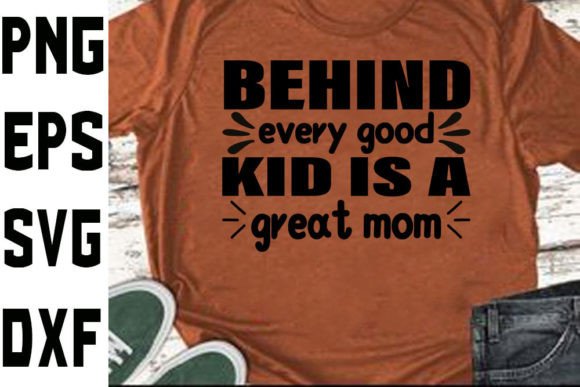
As a professional embroidery digitizer and product reviewer, I approach every new machine embroidery design with a critical eye. It is not enough for a graphic to look appealing on a screen; it must translate flawlessly into thread. When evaluating the Mother s Day Svg Design Behind Every G, specifically the "Behind every good kid is a great mom" variation, my primary focus is on stitchability, commercial viability, and emotional resonance. This design falls squarely within the Crafts and Graphics categories, but its true test lies in how it performs under the needle during real-world production.
First Impressions and Visual Hierarchy
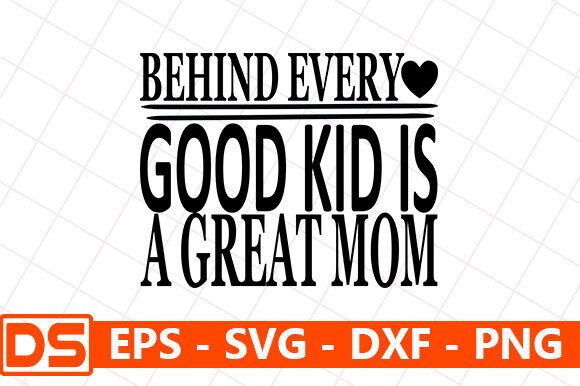
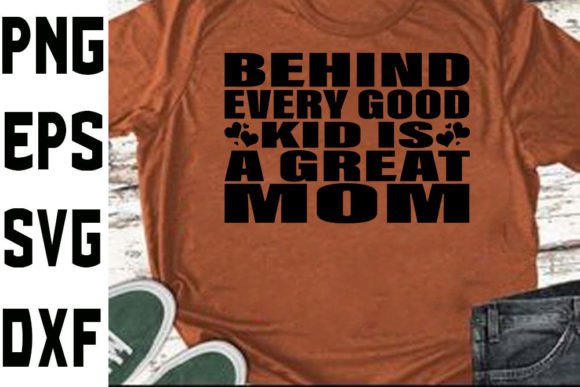
Upon opening the ZIP file, which includes EPS, SVG, PNG, and DXF formats, the first thing I assess is the visual balance. Typography-based designs like this live or die by their font choice and spacing. The phrase "Behind every good kid is a great mom" carries significant sentimental weight, making it a staple for personalized gift markets. Visually, this design presents a clean, readable layout that suggests it was created with stitching in mind rather than just print. The hierarchy places emphasis on "good kid" and "great mom," which is exactly where the viewer’s eye should land. For an Etsy seller or small shop product creator, this immediate readability is crucial for thumbnail visibility and quick customer connection.
Real-World Application: The Custom Sweatshirt Test
To truly evaluate this asset, I mentally placed it in a specific production scenario: creating a custom crewneck sweatshirt for a boutique Mother’s Day collection. Sweatshirt fleece is a forgiving but textured fabric that demands respect. In this context, the Mother s Day Svg Design Behind Every G serves as an excellent candidate for center-chest placement. The design’s structure allows for a balanced sweatshirt embroidery project that doesn't feel too heavy or bulletproof against the chest.
When planning this custom apparel piece, I considered how the lettering would interact with the fleece nap. If the design utilizes a satin stitch for the text, it will pop beautifully against the matte fabric, provided the stitch density is optimized to prevent puckering. Alternatively, if parts of the design are intended as an applique design, it offers a fantastic opportunity to introduce contrasting fabrics, adding texture and perceived value to the handmade product. For a craft business owner, this versatility means one digital file can yield multiple distinct product variations, maximizing the return on your design assets.
Technical Performance Across Different Substrates
A versatile embroidery file must adapt to various materials. While this design shines on stable knits, caution is required when applying it to different substrates. Here is my technical assessment for common use cases:
- Tote Bag Design: Canvas tote bags are a popular vessel for this sentiment. The fabric is stable, making it ideal for detailed running stitch elements or dense fill areas. However, ensure the hoop size accommodates the full width without distortion at the edges.
- Baby Embroidery: If adapting this for baby items, scale is everything. Reducing the size requires checking that small lettering remains legible. Tiny text often needs to be converted to a simpler stitch type to avoid thread breaks or illegibility on soft cotton.
- Kitchen Towels and Aprons: These items face frequent washing. Ensure the thread colors selected are colorfast and that the stabilizer used provides permanent support to prevent the design from warping after laundering.
- Caps and Curved Surfaces: This design likely requires modification for caps. Horizontal text lines can distort on a curved brim. Always test on a scrap cap before committing to a full production run.
Navigating Fabric Challenges and Stabilization
Even the best digital embroidery file can fail without proper preparation. When using the Mother s Day Svg Design Behind Every G on stretchy or thin fabrics, stabilization is non-negotiable. For lightweight tees, I recommend a cut-away stabilizer to maintain the integrity of the lettering over time. On textured fabrics like terry cloth or minky, a water-soluble topper is essential to keep stitches from sinking into the pile, ensuring the message remains crisp and professional.
Be particularly mindful of dark fabrics. If the design relies on fine details or light-colored threads, contrast is key. A printable mockup can help visualize this before stitching, but nothing replaces a physical sew-out test. Check whether the design includes adequate underlay; this foundation stitching anchors the top threads to the fabric and prevents shifting, which is vital for maintaining brand consistency and quality in commercial embroidery projects.
Commercial Viability for Makers and Sellers
For creative entrepreneurs, the value of this design extends beyond aesthetics. It targets a high-intent niche. Mother’s Day is a peak season for holiday embroidery, and having a reliable, tested design reduces production risk. The inclusion of multiple file formats (EPS, SVG, PNG, DXF) adds immense flexibility. The PNG is perfect for sublimation or vinyl backups, while the vector files allow for resizing without quality loss—essential for offering the same design across adult tees, toddler shirts, and nursery decor.
However, professionalism dictates due diligence. Before listing any finished product derived from this file, verify the licensing terms. Confirm whether the license covers physical products, digital resale, or both. Protecting your business means respecting intellectual property while leveraging these assets to build customer trust. A well-executed embroidered patch or personalized garment signals to buyers that you care about quality, directly influencing reviews and repeat sales.
Essential Pre-Stitch Checklist for Designers
Before loading this design into your machine for a client project or shop inventory, run through this practical checklist to ensure success:
- Verify Hoop Compatibility: Measure the design dimensions in your software and compare them to your available hoops. Do not assume it fits your largest hoop without checking.
- Test Stitch Density: Run a sew-out on scrap fabric similar to your final product. Feel the back of the embroidery; if it is stiff or cardboard-like, the density may need adjustment for wearability.
- Check Small Details: Inspect any intricate flourishes or small text. If they are smaller than 4mm, consider simplifying them to prevent needle damage or poor registration.
- Evaluate Thread Contrast: View the design in black and white mode in your software to ensure tonal contrast exists independent of color. This ensures readability on any fabric shade.
- Confirm Format Integrity: Open the specific file format your machine uses to ensure no corruption occurred during transfer. Sometimes converting from SVG to DST/PES can alter spacing.
Final Thoughts on Production Value
The Mother s Day Svg Design Behind Every G represents more than just a seasonal graphic; it is a potential cornerstone for a spring product lineup. Its strength lies in its universal appeal and adaptability across various design assets. Whether you are crafting a heartfelt personalized gift for a single client or producing a batch of merchandise for a craft fair, the principles remain the same: respect the fabric, test thoroughly, and execute with precision.
By treating this digital file as a starting point for craftsmanship rather than a finished solution, you elevate the final result. The difference between a generic embroidered item and a cherished keepsake often comes down to these technical decisions. Use this review as a guide to navigate the nuances of the design, ensuring that every stitch honors the sentiment behind the words. Ultimately, successful small shop product development combines artistic vision with technical discipline, turning simple graphics into meaningful, tangible goods that resonate with customers and stand the test of time.