Momster Design Review: Retro Stitching Reality
As a designer who has digitized and stitched out thousands of files for both personal enjoyment and commercial client work, I approach every new graphic with a specific question: will this actually look good when thread hits fabric? When I first opened the Momster, What Happens to Mom After She C design package, I wasn't just looking at a funny phrase; I was evaluating a potential bestseller for my shop. The retro aesthetic is currently dominating the handmade market, but nostalgia only sells if the execution is flawless. This review breaks down my practical experience testing this vector art as a machine embroidery design, focusing on what crafters and Etsy sellers need to know before hooping up their next project.
First Impressions and Retro Aesthetic Viability
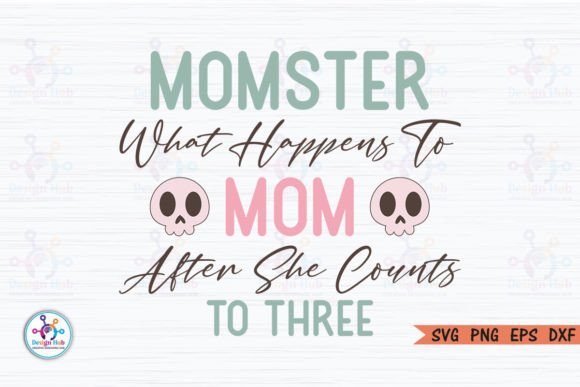
The immediate appeal of Momster, What Happens to Mom After She C lies in its typography and layout. In the world of Graphics and Crafts, text-heavy designs live or die by their legibility once converted to stitches. My initial assessment of the provided SVG and EPS files showed clean, bold lines typical of retro 70s-inspired artwork. For an embroidery designer, this is promising. The lettering appears substantial enough to handle satin stitch columns without becoming too dense, which is a common pitfall with vintage-style fonts. The mood is playful yet relatable, striking that perfect balance for mom-centric merchandise that feels trendy rather than dated. As a digital embroidery file, the vector quality suggests it should scale well, but I always verify how those curves translate when the software adds stitch direction and underlay.
Real-World Test: The Sweatshirt Scenario
To truly evaluate this asset, I treated it as a candidate for a custom apparel run, specifically targeting the popular oversized sweatshirt niche. I prepared a test stitch-out on a mid-weight cotton fleece blend, as this is the standard canvas for this type of humor. Using the DXF file to import into my embroidery software, I adjusted the size to fit a 5x7 hoop, aiming for a chest placement rather than full center coverage. During the stitching process, I paid close attention to the transition points between letters. The design held up remarkably well on the fleece texture. Because the retro font style usually incorporates thicker strokes, the fill stitch areas laid down smoothly without excessive puckering, provided I used adequate stabilizer.
For small business owners and makers, this specific application highlights the design's commercial potential. The finished product had a professional, boutique-ready appearance. The phrase resonates instantly with the target demographic, making it an ideal personalized gift or ready-to-sell item for holiday embroidery seasons or Mother’s Day rushes. However, success depended entirely on treating the vector art as a guide rather than a final stitch file. I had to ensure the stitch density was appropriate for the fleece; had I left it at default settings for a thinner fabric, the result might have been stiff or prone to needle breaks.
Fabric Considerations and Placement Strategy
While Momster, What Happens to Mom After She C performed beautifully on stable fleece, I must advise caution regarding other substrates. If you are planning to use this as a tote bag design on unstructured canvas, the bold lettering will shine. However, for baby embroidery or lightweight knit tees, the design requires modification. The retro style implies a certain visual weight that can overwhelm delicate fabrics or cause tunneling if the stitch count isn't reduced. I would avoid using this specific layout on curved surfaces like caps unless you have advanced digitizing skills to reshape the baseline; the straight-across nature of the phrase fights against the curvature of a hat brim.
Furthermore, consider the background color. This design relies heavily on contrast. On dark fabrics, you may need to add a white underlay or outline running stitch to make the colors pop, especially if the original vector colors are muted pastels. Always test your thread colors against the actual fabric swatch before committing to a production run. A design that looks vibrant on screen can disappear on a heather grey sweatshirt if the tonal values are too similar.
Technical Notes for Makers and Sellers
For fellow Etsy sellers and creative entrepreneurs integrating this into your catalog, treat the provided files as high-quality source material. The inclusion of SVG, PNG, EPS, and DXF formats offers versatility. Use the PNG for printable mockups to gauge customer interest before you even stitch a sample. This saves time and materials. However, never assume a vector file is stitch-ready directly from the zip. You must confirm licensing terms regarding commercial embroidery use versus digital resale. Most licenses allow you to sell the finished physical product but prohibit reselling the digital embroidery file itself. Protecting your business means respecting these boundaries.
- Stabilizer Selection: For this retro text design, use a medium-weight cutaway for stretchy apparel and a tear-away for woven items like tea towels or aprons.
- Hoop Size Verification: Measure the design after adding any necessary underlay or borders. Ensure it fits comfortably within your machine's maximum stitch area with room for hoop clearance.
- Thread Contrast: Test on both light and dark backgrounds. Retro palettes often require adjustment to maintain readability on varied garment colors.
- Wash Testing: If selling as a handmade product destined for frequent laundering, wash your test swatch to check for stitch shrinkage or fabric distortion.
- Detail Inspection: Zoom in on small serifs or decorative elements. If they are smaller than 1mm, simplify them to running stitches or remove them to prevent thread nests.
Maximizing Value in Your Product Line
Beyond the technical stitch-out, consider where Momster, What Happens to Mom After She C fits in your broader brand strategy. This isn't just a standalone joke; it anchors a collection. It pairs naturally with matching "Dad" or sibling designs for family reunion orders or coordinated nursery decor. When listing this as a custom apparel option, emphasize the retro craftsmanship in your description. Buyers are looking for that authentic vintage feel, and explaining your attention to stitch quality builds trust. For those creating embroidered patches, this design’s bold shapes are excellent candidates for merrowed edges, though you will need to adjust the border allowance in your digitizing software.
Ultimately, the value of this asset comes from how you adapt it. Whether you are crafting a unique holiday gift, stocking your shop with trending mom-humor gear, or fulfilling a custom request, the foundation is solid. The vector quality is 100% clean, which gives us, as designers, the freedom to manipulate and optimize without fighting jagged nodes or broken paths. Just remember that a great digital file is only the starting line. Your expertise in hooping, stabilizing, and color selection is what transforms Momster, What Happens to Mom After She C from a graphic on a screen into a cherished, tactile keepsake that customers are proud to wear and display.