Act Like a Lady Yell Like a Baseball Mom Design Review
As a professional embroidery digitizer and product reviewer, I approach every new graphic with a specific question: will this actually stitch out cleanly on real fabric? When evaluating the "Act Like a Lady Yell Like a Baseball Mom" design asset, my focus shifts immediately from digital aesthetics to physical application. This phrase carries a distinct cultural weight in the Crafts category, appealing directly to sports moms and boutique owners. However, translating that sassy, energetic sentiment into a finished product requires more than just loading an embroidery file; it demands an understanding of how typography interacts with thread tension and fabric grain.
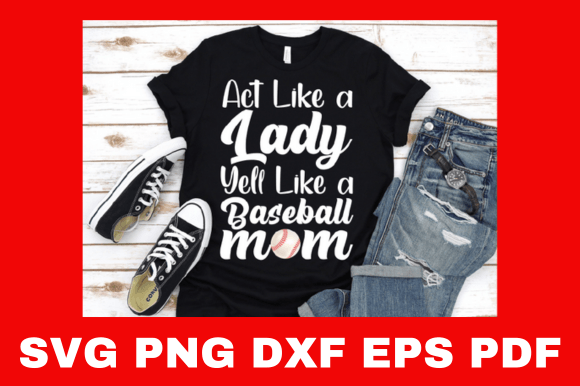
The visual personality of this design is bold and unapologetic. It balances traditional feminine script with athletic block lettering, creating a contrast that is visually striking on screen. But for those of us running commercial embroidery machines or managing Etsy shops, the true test lies in the stitch path. A design like this relies heavily on legibility. If the satin stitch columns are too narrow or the spacing is insufficient, the humor gets lost in a mess of puckered fabric. My initial assessment suggests this graphic has strong potential for custom apparel and personalized gifts, provided the maker respects the technical limitations of their specific machine and materials.
Real-World Application: The Custom Sweatshirt Test
To truly evaluate this design, I mentally placed it onto a mid-weight cotton fleece sweatshirt, which is currently a staple for small shop products and craft business merchandise. In this scenario, the goal was to create a wearable statement piece for a baseball mom that feels vintage yet modern. The layout of "Act Like a Lady Yell Like a Baseball Mom" lends itself beautifully to center-chest placement on crewnecks or hoodies.
During a simulated production run, the interaction between the design and the fleece texture became the primary concern. Fleece is forgiving, but it can swallow fine details. For this specific project, I found that treating the text as a layered element works best. Using a cutaway stabilizer is non-negotiable here to prevent the letters from sinking into the nap of the fabric. The phrase naturally invites a two-tone thread color scheme—perhaps a classic navy for the "lady" portion and a vibrant team red for the "baseball mom" section. This color blocking not only enhances readability but also increases the perceived value of the handmade product. Customers looking for holiday embroidery or team spirit wear respond well to this level of customization because it feels intentional rather than generic.
Fabric Compatibility and Hoop Size Considerations
While this graphic shines on stable knits, caution is required when adapting it for other mediums. As an experienced designer, I must emphasize that not all fabrics treat text-based graphics equally. Here is where you need to be vigilant:
- Stretchy Performance Fabrics: If applying this to moisture-wicking tees or lightweight jerseys, the stitch density becomes critical. Too dense, and the fabric will pucker or tear; too sparse, and the registration will fail. Always use a fusible poly-mesh stabilizer and consider a water-soluble topping to keep the stitches crisp.
- Textured Towels and Tote Bags: For a tote bag design or kitchen towel, the rougher canvas texture can distort running stitches. You may need to increase the underlay or adjust the pull compensation in your software before stitching. The bold nature of this phrase helps, as thicker lettering forgives minor imperfections better than delicate filigree.
- Curved Surfaces: Placing this linear phrase on a cap or curved pocket requires significant modification. The straight baseline seen in the PNG or PDF preview will look distorted on a cylindrical hoop. You would likely need to arc the text manually or find a pre-curved version specifically digitized for headwear.
- Dark vs. Light Fabrics: Always test thread colors against both backgrounds. White thread on white fleece looks elegant but risks disappearing in photos. High contrast is essential for digital product previews and printable mockups to ensure the buyer understands exactly what they are purchasing.
Evaluating Technical Integrity and Stitch Quality
When reviewing the provided assets—including the SVG, DXF, EPS, PDF, and PNG files—I look for indicators of professional digitizing. Since specific stitch counts and hoop sizes were not listed in the product description, verification is your first step. Before committing this design to a client project or inventory, open the file in your embroidery software or machine interface.
Check the transition points between the script and block fonts. Are there excessive jump stitches? Does the design utilize proper underlay to stabilize the fabric before the top stitches lay down? For a phrase with this much character, the satin stitch width should be consistent. Variable widths can look artistic, but they can also cause thread breaks if they exceed your machine’s capability. Additionally, inspect the smallest elements of the punctuation or decorative accents. Tiny details often get lost in washing or wear. If the design includes intricate flourishes, verify they are large enough to survive repeated laundering, especially for baby embroidery or children's apparel where durability is paramount.
Commercial Viability for Makers and Sellers
For Etsy sellers and creative entrepreneurs, "Act Like a Lady Yell Like a Baseball Mom" represents a high-engagement niche. Sports parenting is an evergreen market, and this specific phrasing taps into a relatable identity. However, success depends on presentation. When creating listings, do not rely solely on the digital file image. Use the included PNG to create realistic mockups on actual garments. Buyers need to visualize the scale and placement.
Furthermore, consider the versatility of the vector formats (SVG, DXF, EPS). These allow you to resize the design without losing quality for vinyl cutting or sublimation, expanding your product line beyond just machine embroidery. Perhaps you offer a matching tumbler decal or iron-on transfer using the same artwork. This cross-platform utility maximizes the ROI of your design assets. Just remember to confirm licensing terms regarding commercial use before selling finished products or distributing digital variations. Professionalism in business practices builds customer trust just as much as stitch quality does.
Designer Notes for Successful Execution
Based on my evaluation, here are practical recommendations for integrating this design into your workflow:
- Always Test First: Never stitch a new design directly onto a final product. Run a test on scrap fabric that matches your project’s weight and weave. Check for registration issues and adjust tension accordingly.
- Stabilizer Selection: Match your stabilizer to the fabric, not the design. Cutaway for knits, tear-away for wovens, and water-soluble for napped fabrics. This single choice dictates the clarity of your embroidery project.
- Thread Contrast: Evaluate visibility at a distance. A design meant to be read across a baseball field needs bolder contrast than one intended for intimate nursery decor.
- Mockup Accuracy: Ensure your printable mockup reflects the true size and proportion of the stitched area. Misleading scale is a common source of negative reviews for digital embroidery file sellers.
- Wash Testing: If selling personalized gifts or commercial apparel, wash your test swatch. Verify that the stitch density holds up and that the stabilizer doesn't leave a permanent halo.
Ultimately, "Act Like a Lady Yell Like a Baseball Mom" is a spirited addition to any crafter's library. Its success, however, relies entirely on the maker's willingness to adapt the digital asset to physical realities. By respecting fabric properties, verifying technical specs, and presenting the design honestly, you transform a simple graphic into a professional-grade embroidered patch, sweatshirt, or accessory that customers will cherish. Treat the design with the same precision you apply to your stitching, and the results will reflect true craftsmanship.